
Your TV arrived undamaged after a bumpy three-day delivery. Your office remains cool in extreme heat. Your grandmother’s medicine ships overnight at the correct temperature. This was all thanks to white foam, yet it’s often overlooked. Up close, expanded polystyrene looks boring. Just white stuff full of tiny bubbles. But those bubbles do something remarkable. They create a material that weighs next to nothing but stops heat, cold and absorbs impacts that would destroy solid plastic. Engineers spent decades perfecting this balance. Now we take it for granted.
Protection That Saves Millions
Drop a bare computer onto concrete. You now own expensive junk. Pack that same computer in foam, drop it from twice the height, and it works perfectly. The foam crumples, absorbs the energy, then rebounds for the next impact. Companies used to write off damaged shipments as a cost of doing business. Not anymore. Custom foam cradles products precisely, preventing movement and absorbing shocks. Glass instruments travel far, facing extreme temperatures and rough handling. They arrive pristine.
The same basic material protects both microchips and motorcycle engines. Manufacturers just adjust the density. Soft foam for light items. Dense foam for heavy machinery. The physics remains the same. Air pockets collapse in sequence, bleeding off energy that would otherwise destroy the product. Simple concept, but getting it right took years of development.
Pharmaceutical companies love this stuff. Temperature-sensitive drugs need protection from both impacts and heat. Foam does both jobs simultaneously. No other material offers that property mix at a comparable price.
Read More: A Complete Guide To Rental Uniforms: Improving Safety And Efficiency
Insulation That Outperforms Traditional Materials
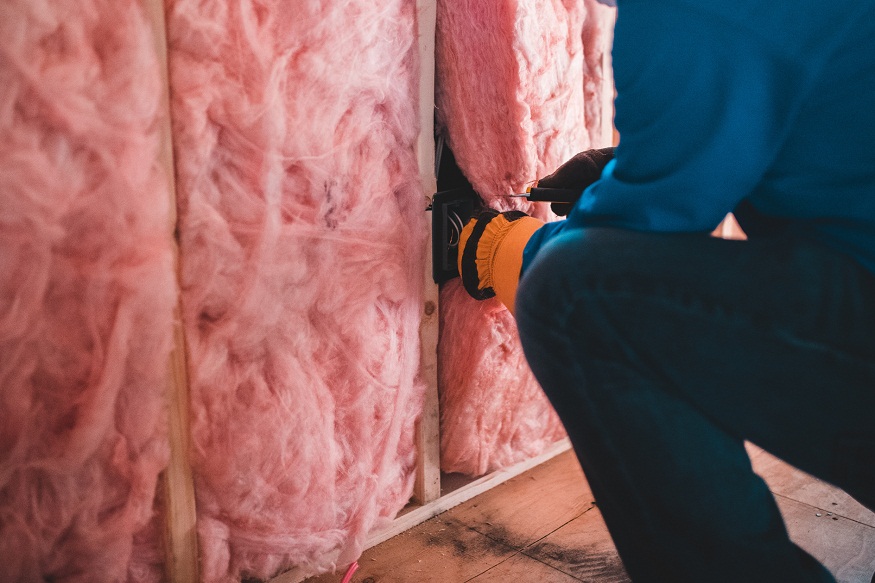
Fiberglass insulation makes you itch like crazy. It settles over time, leaving gaps. Get it wet, and it becomes useless. Mice love nesting in it. After a few years, you’re basically heating the outdoors. Foam insulation laughs at these problems. Water bounces off the closed cells. Mold can’t eat plastic. Rodents cannot tunnel through it. Twenty years later, it insulates just as well as day one. No settling, no gaps, no maintenance.
The data speaks for itself. Foam insulation buildings use 30-50% less energy. Heating costs drop. Air conditioning usage is reduced. The cost savings accumulate quickly, frequently covering the installation expenses in just a few years.
The Science of Empty Space
Air makes terrible conductor. That’s the whole secret. Foam traps air in millions of sealed pockets. Heat needs to fight through each barrier. By the time it penetrates one cell, it hits another. Then another. The journey becomes nearly impossible.
Getting those cells right requires serious expertise. A quality EPS supplier provides the foundation for success, and Epsilyte has earned trust by delivering raw materials that expand consistently and fuse reliably every single time. Bad beads make bad foam. Good beads make foam that performs exactly as designed.
You want big cells for some jobs, tiny cells for others. Loose foam for cushioning. Rigid foam for structure. Each application demands different properties. Manufacturers tweak expansion rates, temperatures, and pressures to nail the exact characteristics needed.
Beyond Basic Applications
Creative engineers keep finding new uses. Foam roads build highways over foam blocks in areas with weak soil. Weighs nothing compared to dirt fill. It doesn’t settle. It lasts forever. Movie sets use tons of it. Those massive stone castles? Carved foam painted to look like rock. Weighs 1% of actual stone. Costs pennies on the dollar. Looks identical on camera.
Read More: Why Local SEO Matters for Small Businesses in St. Pete, FL
Conclusion
Nobody writes songs about foam insulation. No one posts foam packaging on social media. It just quietly does its job, preventing billions in damages and saving massive amounts of energy. Day after day, year after year, this simple material makes complicated modern life possible.