
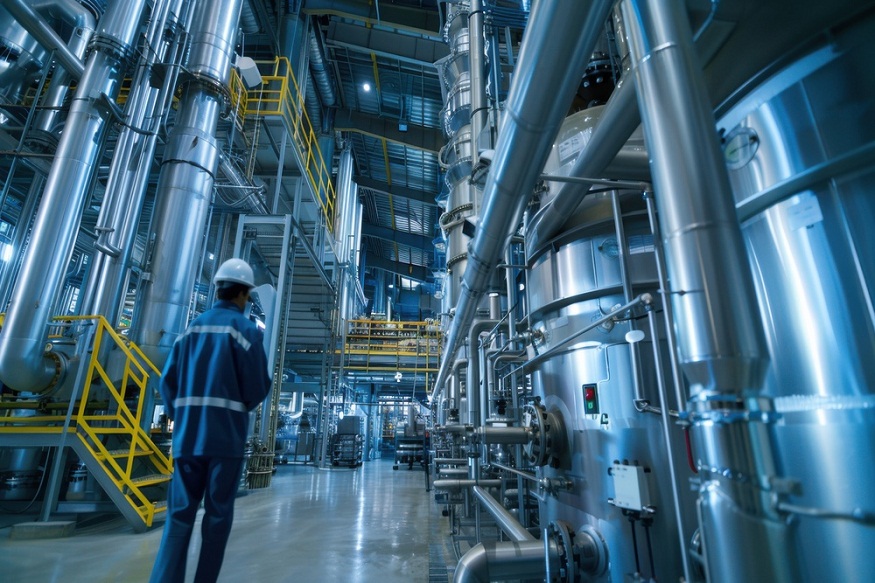
American industry is changing right under our noses. No fanfare. No breaking news alerts. Just steady, quiet progress in how factories turn raw materials into stuff we actually use. This shift touches everything from plastic containers to gasoline, and hardly anyone outside the industry pays attention.
What’s Actually Changing?
Manufacturers have become remarkably adept at extracting greater value from their raw materials. This is like cooking. How so? When an expert chef uses every ingredient efficiently and understands the perfect moment to incorporate them. Modern plants operate with the same precision. New methods pull additional useful products from materials that used to get tossed or burned off. The savings seem tiny at first. But multiply small efficiencies across millions of tons of production, and the numbers get big fast.
Read More : Why Local SEO Matters for Small Businesses in St. Pete, FL
Equipment has come a long way, too. Sensors watch every stage of production. Computers make adjustments on the fly. Early detection of problems averts expensive shutdowns. This level of control was only a fantasy or found in textbooks 20 years ago.
The Materials Making It Possible
Hydrocarbons sit at the center of this entire story. An unbelievable amount of common items contain these carbon-based chemicals. Companies such as Trecora have established a specialized market by refining them with exceptional accuracy. They develop unique components that are incorporated into pharmaceuticals, skincare products, and premium polymers.
Nobody throws a parade for industrial chemicals. But pull them out of the supply chain, and modern life grinds to a halt pretty quickly. Your toothpaste, your sneakers, the screen you are reading this on. All depends on processed hydrocarbons somewhere along the way.
Why Should Regular People Care?
Here’s the thing. When factories waste less, prices stay reasonable. Products last longer when manufacturers begin with better ingredients. When plants cut emissions, the air gets cleaner. Factory floors and family kitchens connect in ways most folks never think about.
Employment shifts too. Updated plants need people who can run sophisticated systems. These jobs pay decent wages and stick around. Towns lucky enough to host modernized facilities often see the benefits spread: more customers at local diners, busier shops on Main Street.
The Road Ahead
None of this comes easily. Foreign competitors keep getting stronger. Environmental standards tighten. Energy prices are extremely volatile. Businesses must either evolve or risk losing their market share. The encouraging part? Significant adaptation is already in motion. There’s a significant financial commitment to upgrading facilities across the country. The workforce is developing fresh competencies. Operating with fewer resources is now essential for survival, not merely a beneficial concept.
Read More : A Complete Guide To Rental Uniforms: Improving Safety And Efficiency
No single invention drives this change. It’s a thousand small fixes stacked on top of each other. A pump that runs smoother. A sensor that catches problems faster. Software that ties the whole operation together. Each tweak feeds into something bigger.
Conclusion
This industrial upgrade won’t land on magazine covers. It is no match for eye-catching product reveals or spacecraft ascending into space. But it keeps American factories in the game. It puts paychecks in pockets across small towns and big cities alike. It produces the building blocks behind almost everything on store shelves. The most meaningful changes often happen where nobody’s looking. These processes occur in exotic plants and involve chemistry many of us didn’t pay attention to in school. However, in the long run, the repercussions of these actions will inevitably extend to encompass all individuals involved. That phone in your pocket, that medicine in your cabinet; somewhere along the line, a quiet factory upgrade made it just a bit better or cheaper to produce. Industrial progress rarely asks for credit. It just keeps working.