
Why Combining Fridge and Smartphone EMIs Can Strain Cash Flow
5 min read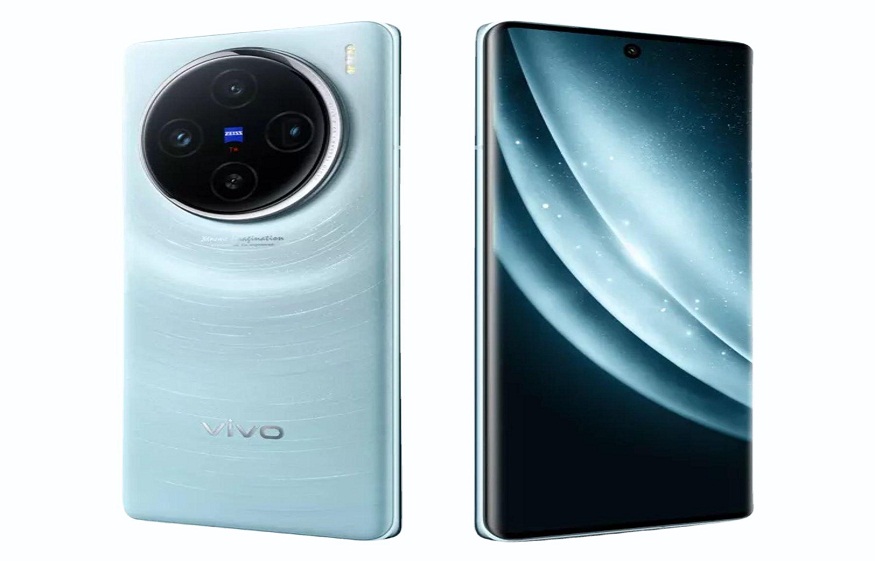
The modern marketplace makes it incredibly easy to upgrade your lifestyle. With just a few clicks or a quick swipe of a card, you can bring home the latest technology without paying the full price upfront. This convenience is largely driven by the availability of monthly payment plans that spread the cost over several months or years.
While these plans offer immediate gratification, they also require a disciplined approach to personal finance. Many households find themselves balancing multiple payment cycles at once. When you start stacking these obligations, the impact on your monthly budget can become more significant than you initially anticipated.
Understanding how these small payments add up is essential for maintaining a healthy financial life. It is not just about whether you can afford the monthly installment today. It is about how those installments will affect your ability to handle future expenses and unexpected emergencies.
The Psychological Trap of Small Monthly Payments
The primary appeal of buying a fridge on EMI or a smartphone on EMI is the low entry barrier. Instead of looking at a large total cost, consumers focus on a much smaller monthly figure. This shift in perspective can make expensive items seem like bargains. When a high-end appliance is broken down into small chunks, it feels like a minor adjustment to your daily spending.
Read More : Online Personal Loans and Their Role in Everyday Financial Planning
However, this psychological ease can lead to a dangerous habit of stacking debts. You might feel that adding one more small payment won’t hurt your wallet. The problem arises when you have three or four of these “small” payments running at the same time. Suddenly, a significant portion of your take-home pay is spoken for before the month even begins. This reduces your financial flexibility and makes it harder to adapt to changes in your income or expenses.
The Essential Nature of a Fridge on EMI
A refrigerator is a core necessity for any home. It is an appliance that you expect to use for a decade or more. Because it is a high-value item that is essential for daily living, choosing a fridge on EMI is often a practical decision. It allows a family to access better cooling technology and energy efficiency without depleting their entire savings account in one go.
Since a fridge is a long-term investment, the payment plan usually feels justified. The utility you get from the appliance matches the duration of the debt. Even so, it is important to remember that this is a fixed commitment. For the next twelve to twenty-four months, that specific amount of money is locked away. It is a steady drain on your cash flow that remains constant regardless of your other financial needs.
The Rapid Cycle of a Smartphone on EMI
In contrast to a kitchen appliance, a mobile phone has a much shorter lifespan. Technology moves fast, and new models are released every year. When you opt for a smartphone on EMI, you are often paying for a device that starts losing its value the moment you take it out of the box. The desire to have the latest features can lead to a cycle of continuous debt.
The danger here is that the payment term might outlast your satisfaction with the device. If you are still paying for a phone that feels slow or outdated, the financial burden becomes a source of frustration. Furthermore, smartphones are prone to accidents like screen cracks or battery degradation. If you have to repair or replace the phone while still paying the installments, your cash flow takes a double hit.
How Overlapping Payments Create a Cash Flow Crunch
The real strain begins when you combine these two types of debt. If you are already paying for a fridge on EMI and then decide to get a new smartphone on EMI, your monthly disposable income shrinks significantly. Cash flow is the lifeblood of your personal finances. It is the money you have left over after all your bills are paid to cover food, transport, and leisure.
When multiple installments overlap, your margin for error disappears. A sudden increase in utility bills or a minor medical expense can suddenly feel like a crisis. You are no longer just managing your lifestyle; you are managing a complex schedule of due dates. This leaves very little room for saving or investing, which are the activities that actually build long-term wealth.
The Hidden Impact on Your Credit Profile
Every time you take on a new installment plan, it is recorded on your credit report. While making timely payments can help build your score, having too many active loans at once can be a red flag for lenders. It shows a high level of credit utilization and a heavy reliance on debt to fund your lifestyle.
If you eventually need a larger loan, such as for a home or an education, your existing EMIs will be taken into account. Lenders look at your debt-to-income ratio. If a large chunk of your salary is already going toward a fridge on EMI and a smartphone on EMI, they may view you as a high-risk borrower. This could result in your application being rejected or being offered a higher interest rate.
Strategies for Maintaining Financial Balance
To avoid the stress of a cash flow crunch, it is wise to follow a few simple rules. First, try to limit yourself to one major EMI at a time. If you are currently paying for a large appliance, wait until that plan is finished before upgrading your phone. This ensures that your total monthly debt remains manageable and predictable.
Read More : How To Get A Car Loan With A Bad Credit Score?
Second, always look at the total cost of the item, including any processing fees or hidden interest. Sometimes, “no-cost” plans still involve upfront fees that can bite into your immediate cash flow. Finally, try to build an emergency fund that covers at least three months of your total installments. This provides a safety net so that if your income is interrupted, you won’t default on your payments and damage your credit standing.
Final Thoughts on Sustainable Spending
Using credit to improve your quality of life is a valid strategy, but it requires a high level of awareness. The convenience of getting a fridge on EMI or a smartphone on EMI should not blind you to the reality of your monthly budget. By spacing out your purchases and understanding the difference between a long-term necessity and a short-term luxury, you can enjoy the best of modern technology without the constant shadow of financial strain. True financial freedom comes from having control over your cash flow, rather than letting your monthly payments control you.